
Matrushri
Fertility Centers Consultancy (Agencies)
Advanced diagnosis and personalised treatment for all causes of male infertility — from low sperm count to azoospermia. TESA, Micro-TESE, PESA, MESA & ART under one roof.
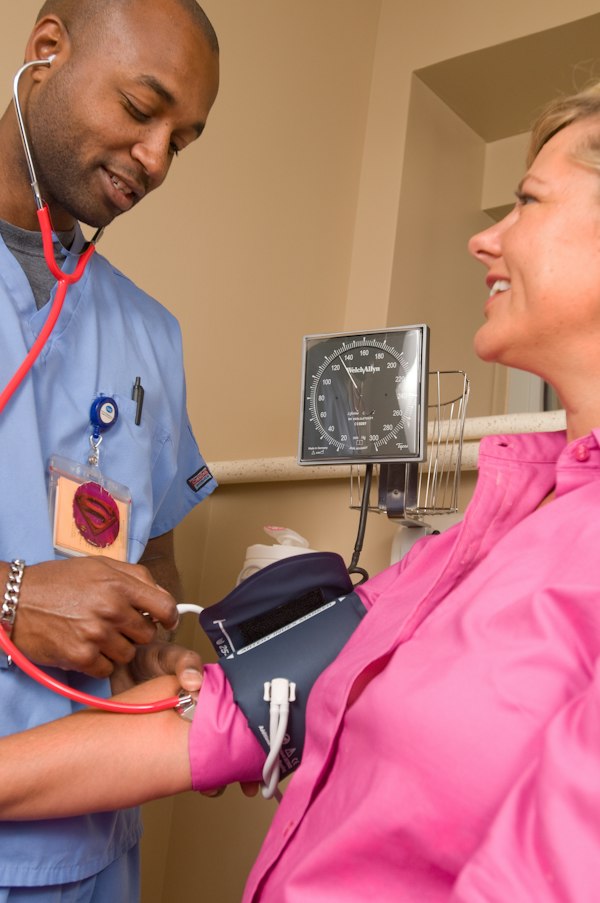
Male infertility is a condition where a couple cannot conceive due to problems with the male partner's reproductive health. It accounts for nearly half of all infertility cases globally, making it just as common as female infertility.
At Matrushri Fertility Centers, our andrologists and fertility specialists perform a thorough evaluation including medical history review, physical examination, semen analysis, hormonal testing, scrotal ultrasound, and genetic testing to identify the exact cause before designing a personalised treatment plan.
Treatments are customised and recommended only after identifying the underlying problem, ensuring the highest possible success rates.
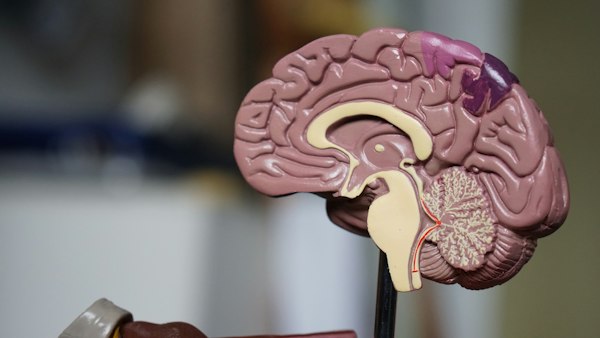
Understanding the root cause is the first step towards effective treatment. Our experts diagnose and address all known causes.
Enlarged veins in the scrotum cause increased testicular temperature, reducing sperm production and quality. One of the most common and treatable causes.
Fewer than 15 million sperm per mL of semen. Can result from hormonal imbalances, infections, lifestyle factors, or genetic conditions.
Complete absence of sperm in the semen. Can be obstructive (blockage) or non-obstructive (production failure) — both treatable with advanced techniques.
Low testosterone, elevated FSH/LH, thyroid disorders, or hyperprolactinaemia can all impair sperm production and function.
Obstructions in the epididymis, vas deferens, or ejaculatory duct prevent sperm from reaching semen. Often correctable surgically.
Y-chromosome microdeletions, Klinefelter syndrome, and other chromosomal abnormalities can impact sperm production and quality.
Sexually transmitted infections, orchitis, or epididymitis can damage sperm-producing tissue or block sperm transport pathways.
Smoking, alcohol, drug use, obesity, excessive heat exposure, and stress all negatively affect sperm quality and quantity.
Immune system attacks sperm, reducing motility and ability to fertilise an egg. Identified through specialised immunological testing.
Many men with infertility have no obvious symptoms other than difficulty conceiving. However, these signs may indicate an underlying issue:
The primary indicator — if a couple has been trying to conceive for over 12 months without success, male factor should be investigated.
Discomfort, swelling, or a lump in or around the testes may indicate varicocele, infection, or other conditions affecting fertility.
Low libido, erectile dysfunction, or ejaculation problems may point to hormonal imbalances affecting both sexual function and fertility.
Chromosomal or hormonal abnormalities can cause reduced body or facial hair growth, a sign of low testosterone or other conditions.
Very low volume of ejaculate, absent ejaculation (retrograde ejaculation), or milky urine after orgasm may indicate blocked or absent ducts.
Small testicles or a history of undescended testes (cryptorchidism) are associated with impaired sperm production from a young age.
Accurate diagnosis is the foundation of effective treatment. Our step-by-step evaluation leaves nothing to chance.
Detailed review of medical history, lifestyle, sexual habits, prior infections, surgeries, and medications.
Examination of genitals for varicocele, undescended testes, structural abnormalities, and other physical indicators.
Comprehensive sperm count, motility, morphology, volume, and DNA fragmentation assessment in our Class 1000 IVF lab.
Blood tests for FSH, LH, testosterone, prolactin, thyroid function, and other hormones governing sperm production.
High-resolution imaging to detect varicoceles, blockages, tumours, or structural abnormalities in the testes and ducts.
Y-chromosome microdeletion analysis, karyotype testing, and CFTR gene mutation screening where indicated.
Post-ejaculation urinalysis to detect retrograde ejaculation and rule out urinary tract infections.
When azoospermia is confirmed, biopsy determines if sperm production is occurring and guides sperm retrieval strategy.
Our multi-disciplinary team offers the full spectrum of male infertility treatments — from medication to cutting-edge surgical sperm retrieval.
Many causes of male infertility can be effectively treated with medication alone, particularly when a hormonal imbalance or infection is the root cause.
Our endocrinologists design precise hormonal protocols to restore natural sperm production. Regular monitoring ensures optimal response and minimises side effects.
When obstructions, varicoceles, or structural issues are the cause, surgical correction can restore natural fertility or enable sperm retrieval for ART.
All surgical procedures are performed in our state-of-the-art operation theatre by experienced urologists and andrologists, with full post-operative care.
TESA is a minimally invasive sperm retrieval procedure used when sperm are absent in the ejaculate but are being produced in the testes.
Our andrologists perform TESA using ultrasound guidance for maximum precision and minimal discomfort. Sperm retrieved are cryopreserved or used fresh for ICSI in our Class 1000 lab.
Micro-TESE is the gold-standard sperm retrieval technique for non-obstructive azoospermia, using an operating microscope to identify sperm-producing tubules.
Our microsurgical team uses high-powered operating microscopes to dramatically improve sperm retrieval success in men with non-obstructive azoospermia — even in the most challenging cases.
PESA (Percutaneous Epididymal Sperm Aspiration) and MESA (Microsurgical Epididymal Sperm Aspiration) retrieve sperm directly from the epididymis for use in ICSI.
Our andrologists select between PESA and MESA based on the individual patient's anatomy and diagnosis, maximising sperm yield and quality for the best IVF/ICSI outcomes.
When natural conception or surgical correction is not possible, ART offers highly effective pathways to parenthood using retrieved or ejaculated sperm.
Our Class 1000 IVF laboratory meets international clean-room standards, ensuring optimal embryo development. Combined with expert embryologists, we deliver industry-leading success rates.
We combine clinical expertise, cutting-edge technology, and compassionate care to give every man the best chance of fatherhood.
Dedicated andrologists, urologists, and reproductive endocrinologists with decades of combined experience in male infertility diagnosis and treatment.
State-of-the-art laboratory meeting international clean-room standards, with advanced equipment for semen analysis, ICSI, and embryo culture.
Comprehensive genetic evaluation including Y-chromosome analysis, karyotyping, and CFTR mutation screening to identify hereditary causes.
From medication and varicocelectomy to TESA, Micro-TESE, and IVF/ICSI — complete male infertility care without referrals elsewhere.
No two patients are the same. Every treatment plan is designed individually, based on thorough diagnosis and shared decision-making with the couple.
Emotional counselling, nutritional guidance, lifestyle support, and dedicated patient coordinators throughout every step of the fertility journey.
Take the first step towards fatherhood. Our specialists are here to help with a confidential, no-obligation consultation.
🔒 Your information is 100% confidential. We never share your data.